Meta pulls back Muse Image feature that referenced public Instagram accounts after backlash
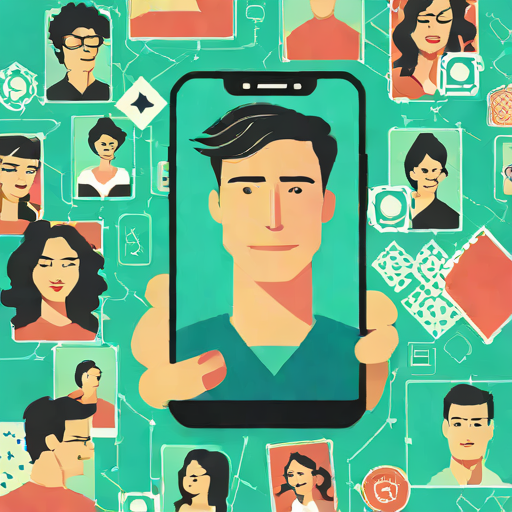
Meta said on July 10, 2026 that a newly announced Muse Image feature allowing people to @-mention public Instagram accounts as visual references is no longer available, after feedback that the feature "missed the mark." The reversal turned what began as a splashy consumer-AI launch into a consent and product-governance story within the same week.
# Meta pulls back Muse Image feature that referenced public Instagram accounts after backlash
## Opening summary
Meta said on July 10, 2026 that a newly announced Muse Image feature allowing people to @-mention public Instagram accounts as visual references is no longer available, after feedback that the feature "missed the mark." The reversal turned what began as a splashy consumer-AI launch into a consent and product-governance story within the same week.
## Main article
Muse Image is Meta's first image generation model from Meta Superintelligence Labs, and the broader rollout remains intact. In its announcement, Meta said the model is available in Meta AI and also powers creative tools across Instagram and WhatsApp, with more surfaces planned. The company positioned it as a system that can understand conversational prompts, blend multiple photos, and help people create or edit images for feeds, stories, chats, and ads.
The problem was one of the launch features, not the whole product. Meta added an update to the same announcement saying that earlier in the week it had introduced a way for people to generate images by @-mentioning public Instagram accounts they wanted to reference. In the update, Meta said it intended the feature to be useful and to give people control over whether their public content could be referenced that way, but that it had heard the feedback and the feature was no longer available.
That distinction matters because it shows how quickly AI image features can move from growth play to trust problem. Meta did not abandon Muse Image itself. Instead, it backed away from the feature most likely to trigger concerns that public-facing social content could be repurposed for AI-generated imagery without the kind of explicit opt-in many users would expect.
Outside reporting helps frame why the rollback landed fast. TechCrunch reported that the feature had drawn backlash tied to privacy and consent concerns. AP likewise described criticism over the tool's use of publicly posted Instagram photos and noted that the company discontinued the feature after public objections. Together with Meta's own update, that is enough to treat the rollback as the real story, not just the original product debut.
## Why it matters
Consumer AI companies keep learning the same lesson: shipping faster is easy, but getting consent and social expectations right is harder. Meta's rollback suggests that even when content is technically public, users do not automatically accept it being turned into raw material for AI generation.
## Source notes
- https://about.fb.com/news/2026/07/introducing-muse-image-meta-ai/ - Meta's own post shows the update timestamp as July 10, 2026 at 3:45 PM PT and says the public-Instagram reference feature is no longer available. - https://techcrunch.com/2026/07/10/meta-removes-controversial-ai-feature-on-instagram-after-backlash/ - TechCrunch reported the rollback as a backlash response tied to privacy and consent concerns. - https://apnews.com/article/4df3bdb3fec6e046c6562accc2d270a5 - AP reported that Meta discontinued the feature after criticism over using publicly posted Instagram photos to create AI-generated images.
SEO keyphrases: Meta Muse Image, Instagram AI rollback, Meta AI consent
Join the conversation