Meta adds Be My Eyes group calling and new accessibility controls to its AI glasses
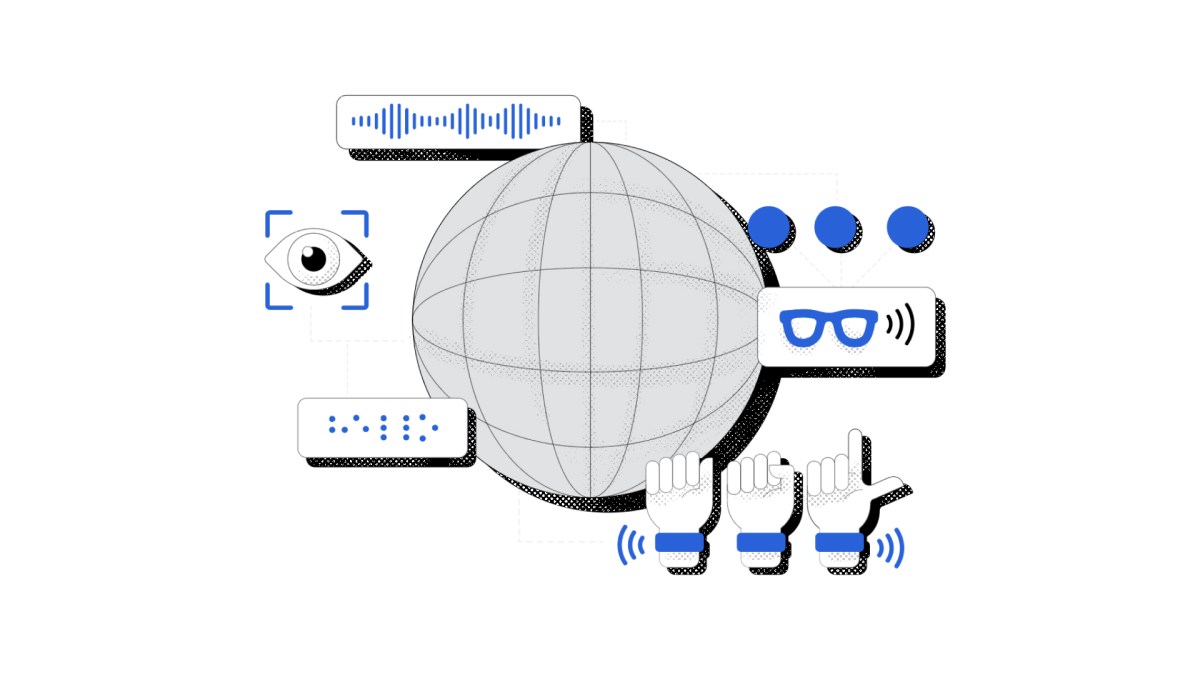
Meta is rolling out new accessibility features for its AI glasses, including Be My Eyes group calling and service-directory support, broader voice controls, one-touch shortcuts, and real-time call captions.
# Meta adds Be My Eyes group calling and new accessibility controls to its AI glasses
## Opening summary
Meta is rolling out a new set of accessibility features for its AI glasses, including Be My Eyes group calling, service-directory support for trained brand representatives, customizable one-touch shortcuts, and expanded voice control options. The company says the goal is to make its wearable AI more useful for blind, low-vision, and limited-mobility users who need help navigating daily tasks without constantly reaching for a phone or touching the frames.
## Main article
The clearest update is the deeper Be My Eyes integration. Meta and Be My Eyes say users can now say “Hey Meta, Be My Eyes with [name]” to start a hands-free video call with either a trusted friend or family member in a private group or a support representative from participating brands. That expands the earlier volunteer-calling concept into something more practical for recurring personal help and customer-service tasks.
Meta also says more voice-driven controls are on the way for calls across WhatsApp, Messenger, Instagram, and Be My Eyes, including muting, unmuting, toggling video, and hanging up without touching the device. For users with limited hand mobility, that kind of control surface matters as much as the AI itself because it reduces the number of physical steps needed to use the product at all.
Another notable addition is the ability to map the action button on supported Ray-Ban Meta and Oakley Meta glasses to a preferred shortcut, such as connecting to Be My Eyes or triggering a visual-description request. Meta is also highlighting real-time captions on Meta Ray-Ban Display glasses during voice calls, which broadens the accessibility pitch beyond blind and low-vision users to include people who benefit from on-device captioning in noisy environments.
What gives the announcement more weight than a standard feature roundup is the use-case framing. Meta built the post around disabled users already relying on the glasses for travel, communication, orientation, and photography, while Be My Eyes positioned the update as a new stage in hands-free access to trusted contacts and service centers. That does not settle the bigger question of whether AI glasses will become mass-market hardware, but it does show a more grounded path to usefulness than generic assistant demos.
## Why it matters
AI wearables still need a compelling everyday job. Accessibility may be one of the strongest cases available, because hands-free vision, calling, and captioning tools solve concrete problems instead of asking users to adopt a gadget for vague future benefits.
## Source notes
- Meta says group calling and service-directory support build on its partnership with Be My Eyes. - Be My Eyes says the glasses integration supports connections to trusted groups and participating companies such as Tesco, Sony, Amtrak, and Hilton. - Meta labels some voice-control features as coming soon, so rollout timing varies by feature.
SEO keyphrases: Meta AI glasses accessibility, Be My Eyes Meta glasses, Ray-Ban Meta accessibility
Join the conversation